Prince Abdulaziz bin Talal Inaugurates the Arab Land and Climate Forum in Riyadh, Emphasizing Desertification as One of the Biggest Environmental Risks
Session on Children's Rights and Desertification at the Forum's Activities
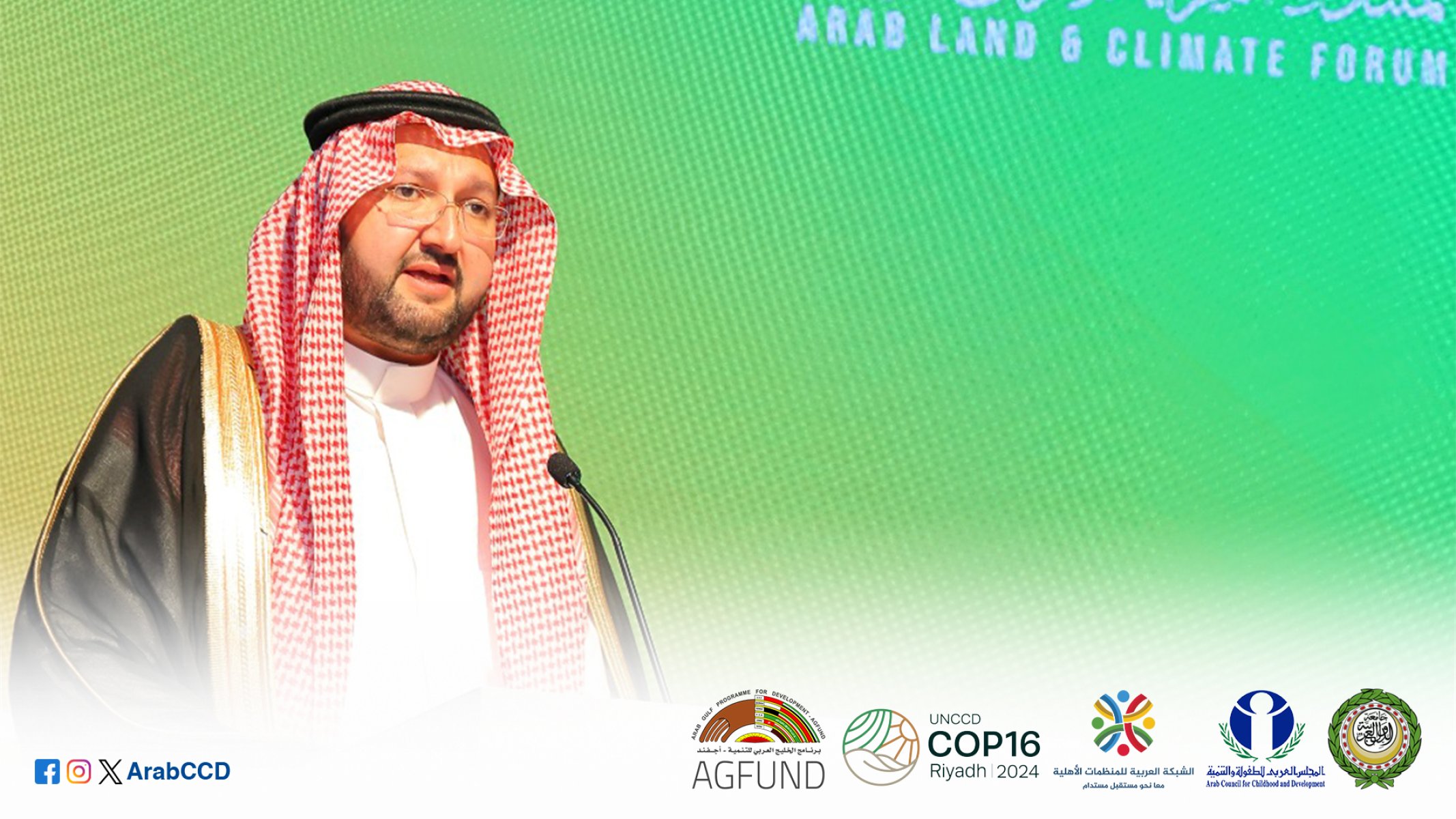
HRH Prince Abdulaziz bin Talal bin Abdulaziz Al Saud, President of the Arab Council for Childhood and Development (ACCD) and the Arab Gulf Programme for Development (AGFUND), pointed out that desertification is considered one of the biggest environmental risks.
His Highness stated that 12 million hectares of land degrade annually, affecting food security and threatening the livelihoods of 2 billion people, which represents a real challenge for humanity. According to the Food and Agriculture Organization (FAO), Africa could lose two-thirds of its arable land by 2030. It is estimated that desertification could displace 50 million people globally in the same period, and over 75% of the Earth's land area is degraded, with the possibility of this reaching 90% by 2050. His Highness noted that the Arab region is among the most affected by desertification globally.
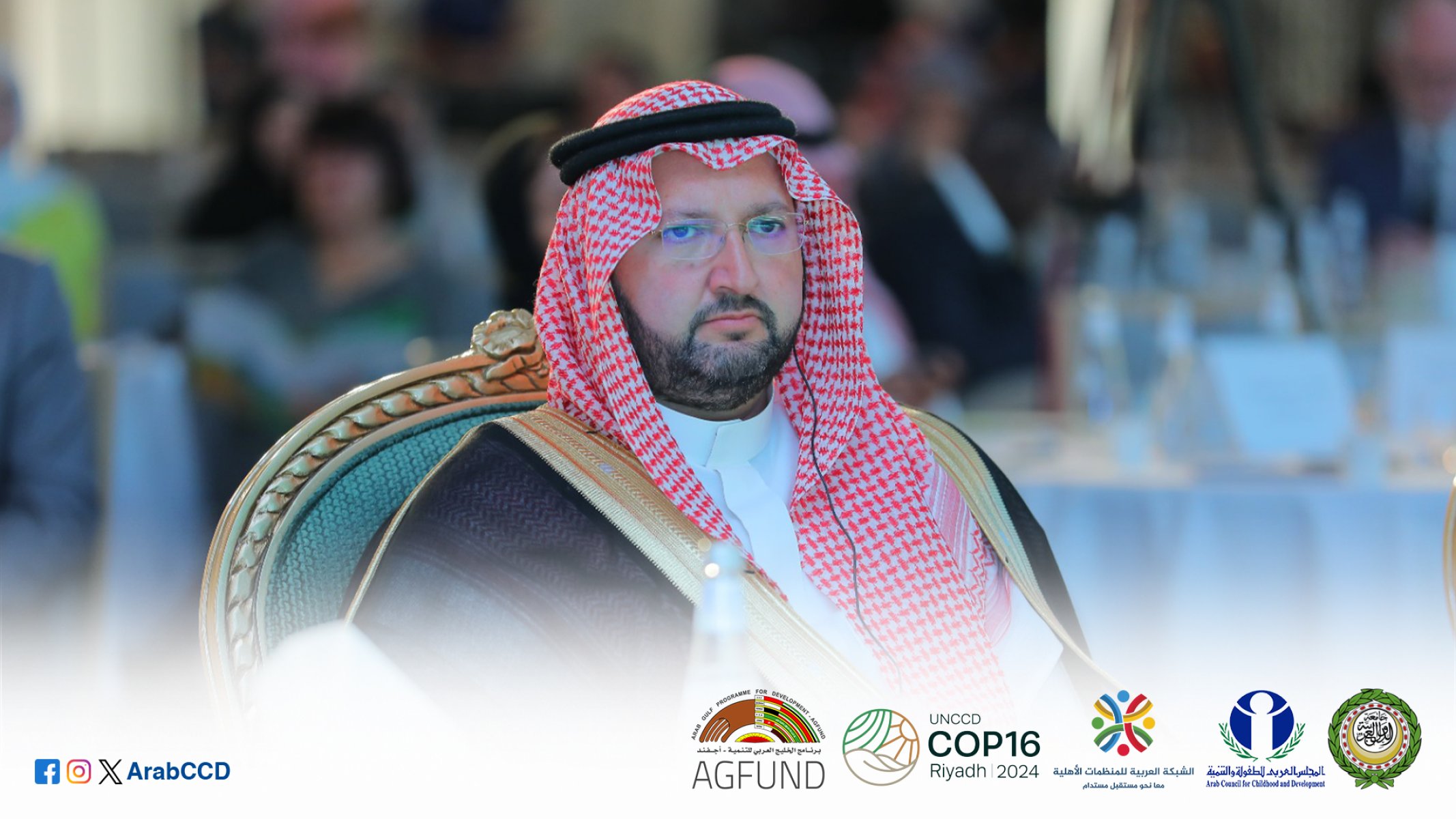
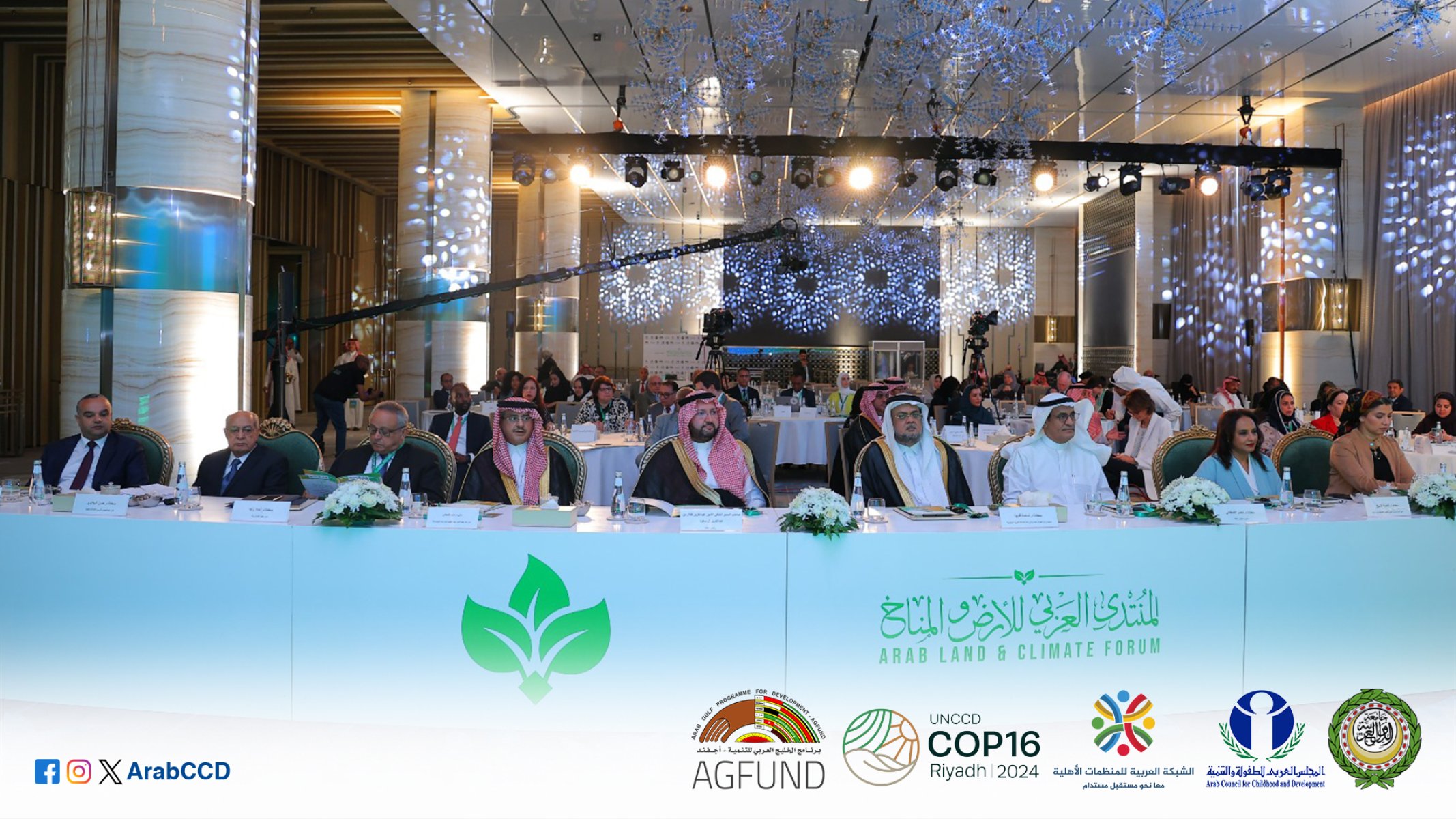
This came during the inauguration by HRH Prince Abdulaziz bin Talal bin Abdulaziz Al Saud of the Third Edition of the Arab Land and Climate Forum today, October 8, 2024, under the slogan: "The Road to COP16: Towards Enhancing the Resilience and Flexibility of Arab Lands". The Forum is organized by the Arab Network for NGOs (ANNGO) in cooperation with the AGFUND and ACCD, under the umbrella of the Social Affairs Sector of the League of Arab States, in Riyadh, Kingdom of Saudi Arabia.
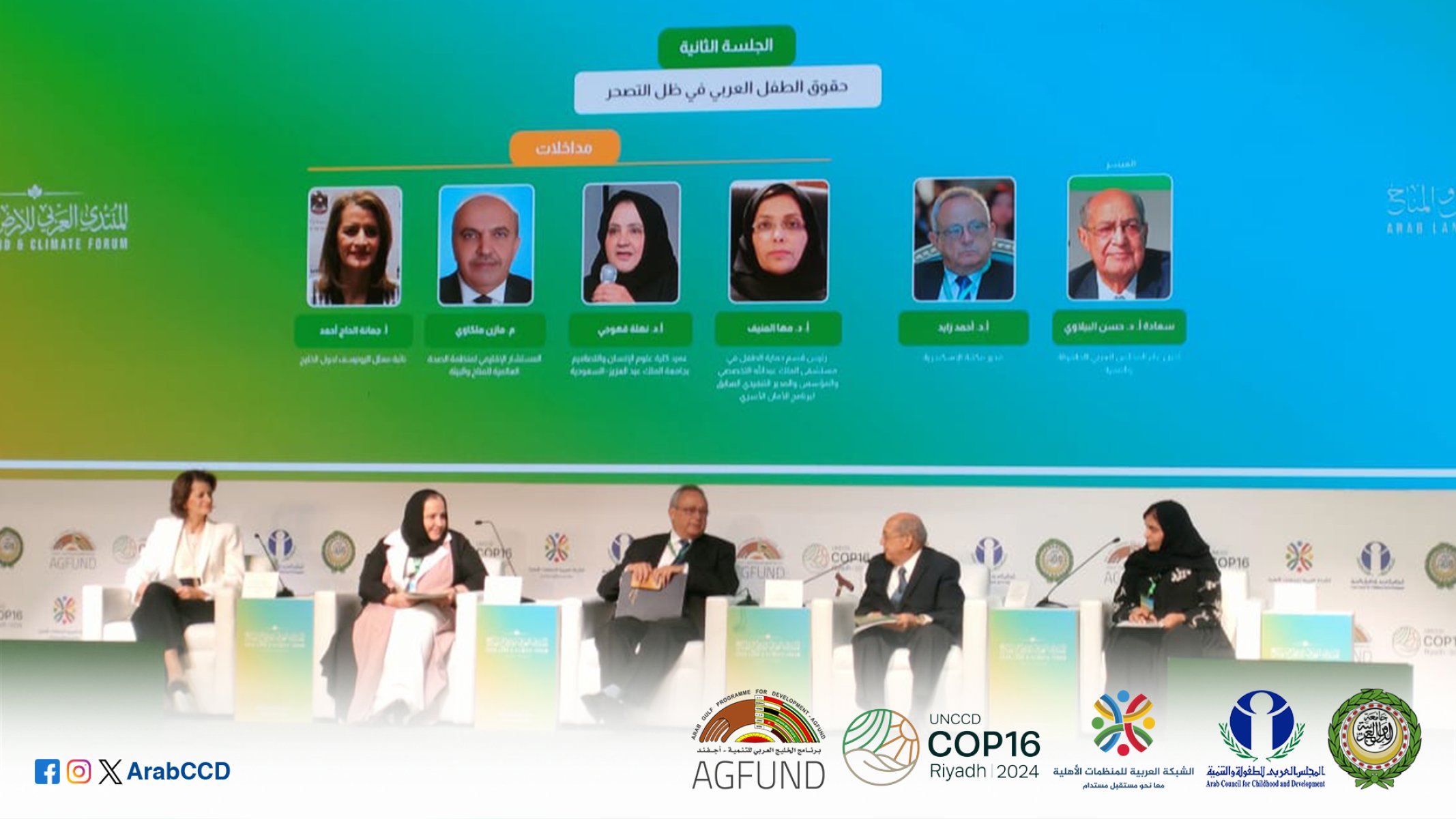
Within the framework of the Forum's activities—which run on October 8-9, 2024, and include a number of scientific sessions— a special session was organized on "The Rights of the Arab Child in the Shadow of Desertification". This session addressed the concept of desertification as a process that contributes to environmental destruction and produces long-term negative effects. It also highlighted that the Arab region is one of the most fragile regions in its ecosystem, given that 90% of its lands are dry or threatened by drought, and 73% are threatened by erosion and desertification.
The session focused on the danger of desertification to children's rights and its connection to issues of displacement and poverty, which create a poor environment incapable of providing basic rights for children such as health, education, and well-being. It called for efforts to create a healthy and safe environment for all, including children, and emphasized the necessity of preserving natural resources and reducing the harmful effects of desertification, thereby contributing to the protection of children's rights.
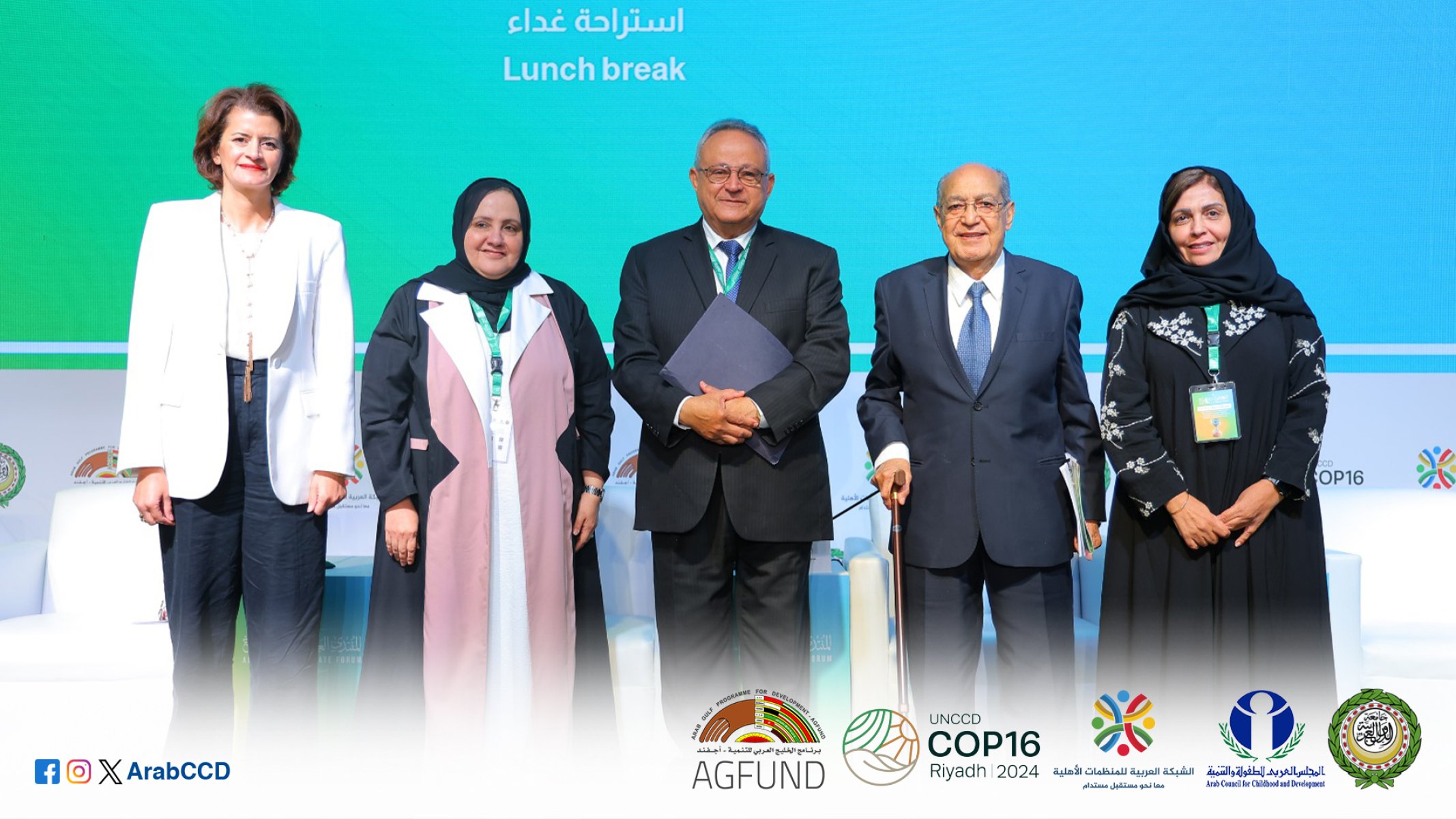
Speakers in the session, moderated by Professor Hassan Al-Bilawi, ACCD’s Secretary General, included Professor Ahmed Zayed, Professor of Sociology and Director of the Bibliotheca Alexandrina; Dr. Maha Al-Munif, Director of the Child Protection Department at King Abdullah Specialist Hospital; Professor Nahla Gahwaji, Dean of the College of Human Sciences and Designs at King Abdulaziz University; Dr. Mazen Al-Malkawi, WHO Advisor for Climate and Environment; Ms. Jumana Al-Haj, Deputy Representative of UNICEF for the Gulf Arab States; and Dr. Manal Al-Madani and Dr. Ghada Zakma from King Abdulaziz University.
It is worth noting that during this session, a video prepared and produced by ACCD in partnership with AGFUND was screened, titled "What if we planted a trillion trees?" It was directed at children as a call to confront desertification, emphasizing that children have a right to participate and a role in protecting the planet for the future.
The Third Edition of the Arab Land and Climate Forum— a program of the ANNGO implemented with its partners— aims to provide an opportunity to exchange knowledge about the social, economic, and environmental impacts of desertification, land degradation, and drought. It also seeks to work together to develop policies, build capacity, and establish partnerships to enhance adaptation mechanisms to these impacts, reduce the degradation of productive lands, and restore what can be restored in the Arab region. Furthermore, it aligns with the efforts of Arab civil society in preparing for the Conference of the Parties to the United Nations Convention to Combat Desertification (COP16), which the Kingdom of Saudi Arabia will host in December 2024.
Date: October 8, 2024